DN7C Transfăgărășan: Glacial Amplitude and Concrete Joints
Stretching across the Southern Carpathians between Muntenia and Transylvania, the DN7C presents severe topographical extremes, frost-shattered tarmac, and rapid elevation shifts that reward supple damper compliance.
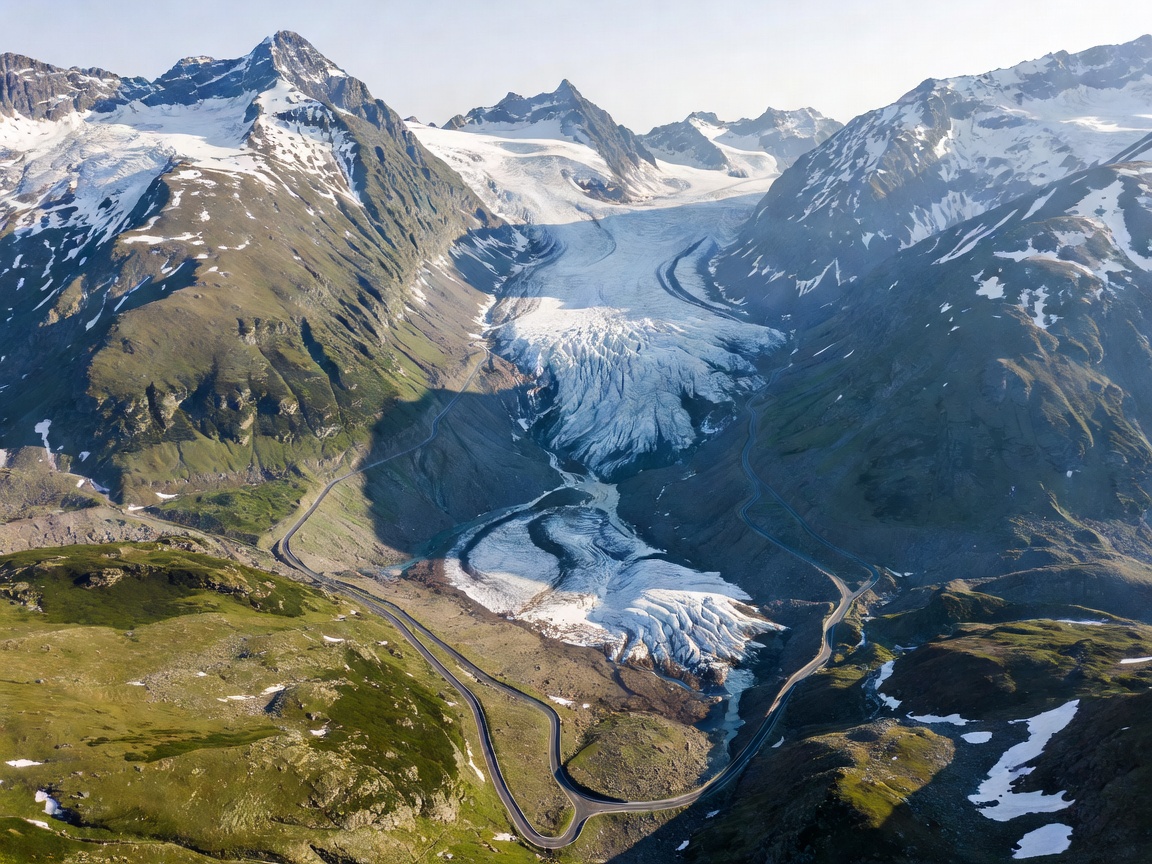
The northern amphitheatre of the DN7C: interlocking hairpins suspended above concrete viaducts over raw glacial scree.
Concrete & Tar PatchSurface Micro-Texture
887m Capra TunnelSub-Crest Transit
High Rebound SensitivitySuspension Requisite
The Northern Glacial Cirque: Radians and Damper Fatigue
Entering the DN7C from Cârțișoara, the initial lower stretch through pine forest gives little hint of the vertical amphitheatre above. The real test begins as the tree canopy strips away around 1,400 metres, exposing the northern glacial bowl of the Făgăraș Mountains. Here, civil engineering created a cascade of constant-radius switchbacks mounted on concrete pillar viaducts. The tarmac across these viaducts suffers from severe winter freeze-thaw cracking, meaning the entry and exit transitions feature transverse ridges of bitumen patch material. Vehicles running track-optimised coilover setups with high low-speed compression will suffer chassis hop under braking, skipping the tyre contact patch off the road surface and triggering erratic anti-lock braking intervention.
Maintaining a clean driving rhythm requires trailing the brakes into the hairpins while keeping the steering angle smooth and deliberate. Unlike engineered Western European alpine roads that feature banked positive cambers, many of the DN7C's switchbacks flatten out or fall away toward the outside barrier. If the front differential cannot distribute torque cleanly across the front axle on corner exit, front-wheel-drive and all-wheel-drive platforms will default to grinding understeer, severely overheating the outer tyre shoulder.
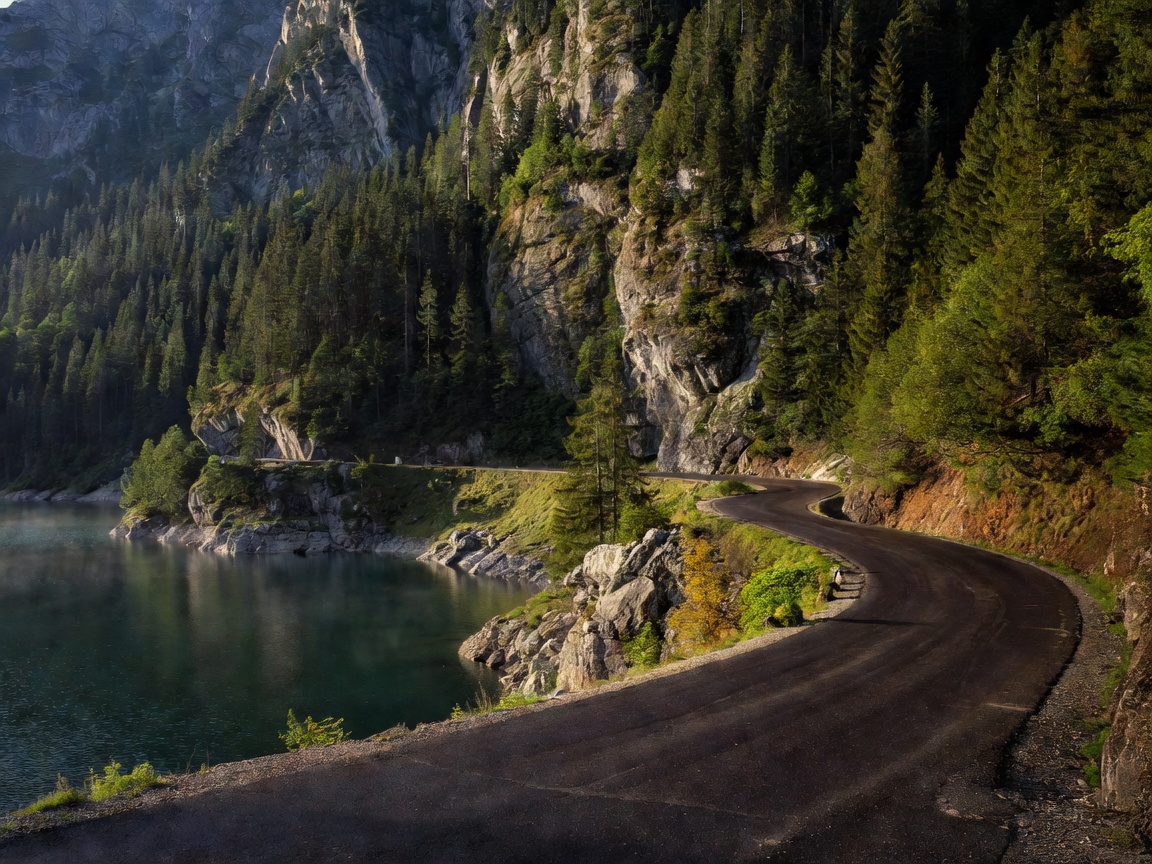
The Lake Vidraru perimeter run: undulating tarmac with shadowed moisture pockets and zero margin for lane drift.
The Capra Tunnel Transition: From High Glacial Wind to Southern Wall
At the crest sits the Bâlea Tunnel—an unlit, unlined 887-metre bore cut directly through solid granite rock. The change in environmental conditions inside this bore is radical. Even on clear summer afternoons, condensation constantly drips from the rock ceiling, coating the rough aggregate road surface in a slippery, greasy slurry. Driving out of the bright mountain daylight into this damp darkness tests pupil dilation and windscreen clarity; running dipped headlamps and cycling the ventilation to prevent immediate interior misting is mandatory.
Exiting the southern portal reveals an entirely different geological landscape. The drop toward the Argeș river valley is steeper and far more jagged, winding past raw rock faces prone to minor rockfall. Loose gravel and sharp shale shards frequently roll into the driving line. Tyres with delicate ultra-low-profile sidewalls are especially vulnerable here; running slightly higher profile tyre sidewalls with supple radial plies provides crucial structural resilience against pinch flats on exposed rock debris.
The Vidraru Dam Corridor: Blind Rhythm and Traction Traps
The southern approach concludes with an exhaustive twenty-kilometre endurance section skirting the indented shoreline of Lake Vidraru. This stretch trades high-altitude drama for tight, blind third-gear corners bordered by dense beech woods and sheer drops. Because the tree canopy prevents sunlight from reaching the asphalt surface, mossy patches and moisture slicks linger along the inside curbs well into mid-afternoon.
The tarmac here is heavily patched with varying asphalt mixes, causing continuous fluctuations in grip levels. A corner that provides solid lateral bite on entry can suddenly turn slick at the apex where tar bleed has risen in the heat. Smooth weight transfer is everything through this section: sharp throttle lifts or uncalculated mid-corner corrections will unsettle the rear axle on bumpy pavement. Concluding at the historic fortress of Poenari, the DN7C stands as a relentless masterclass in damper compliance and surface assessment.